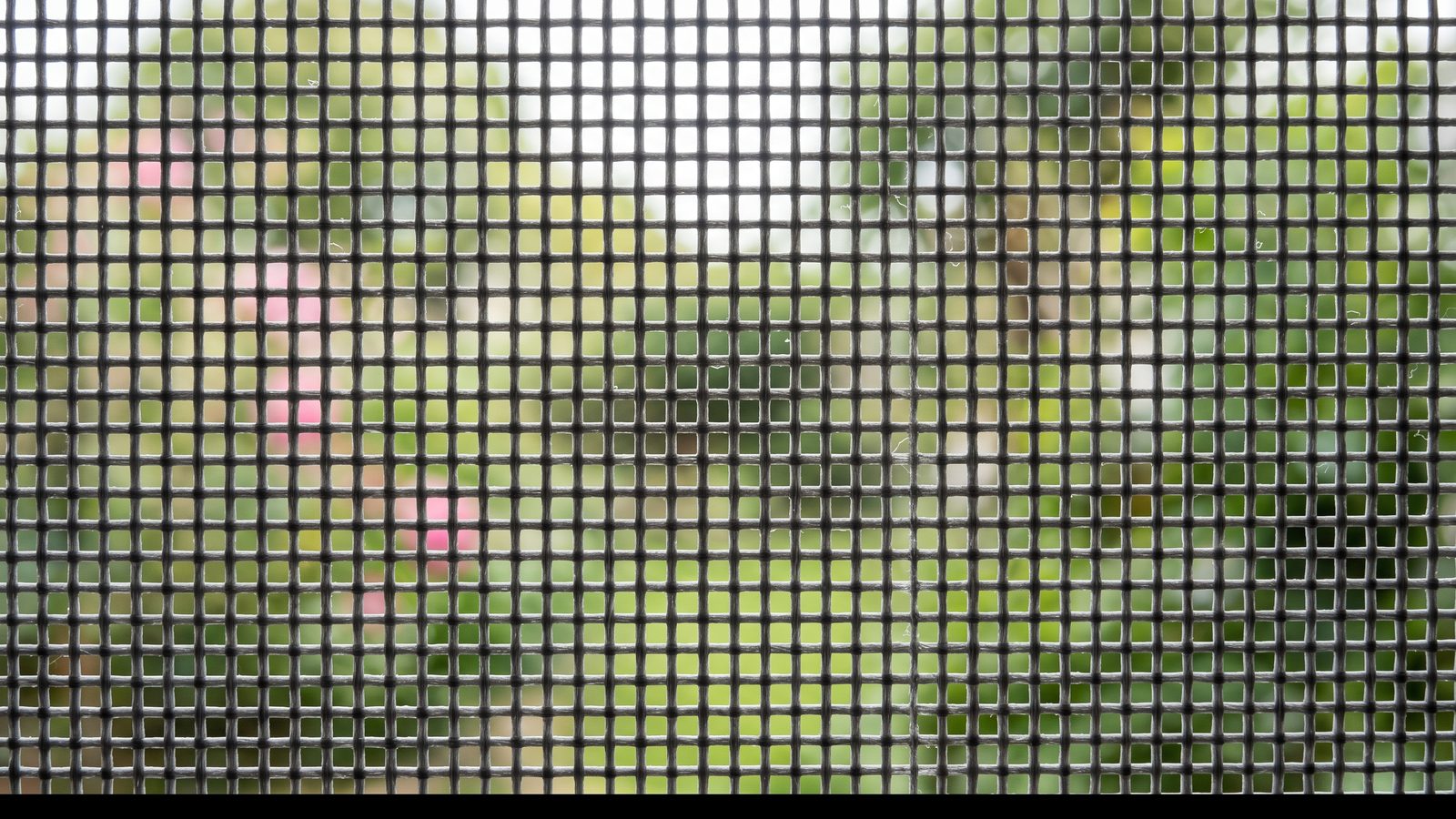
Openness factor is the percentage of a sunscreen fabric that is open weave rather than yarn. A 3% fabric blocks about 97% of the light hitting it and keeps a usable outward view; a 10% fabric is much more transparent and gives far less glare control. Lower number means tighter weave, more privacy and less view.
What the Blind Openness Factor Actually Measures
Hold a sunscreen fabric to the light and you see a grid of yarn with gaps between. The openness factor is the proportion of that surface which is gap. It is a physical property of the weave, not a coating, so it does not fade or wear off.
| Openness | Outward view | Glare control | Daytime privacy | Typical use |
|---|---|---|---|---|
| 1% | Restricted | Highest | High | West-facing rooms, screens, harsh afternoon sun |
| 3% | Good | High | Good | The general-purpose choice for living areas |
| 5% | Very good | Moderate | Moderate | South-facing rooms, view-first spaces |
| 10% | Excellent | Low | Low | Shaded aspects where view matters most |
Openness Is Not the Same as Light Blocking
A 5% fabric does not let 5% of light through. The openness figure describes the weave; the fabric’s colour and finish decide how much of the remaining light passes or reflects. A white 5% fabric transmits noticeably more light than a charcoal 5% fabric, because pale yarn scatters light forward while dark yarn absorbs it.
Colour Changes Everything
- Dark fabrics — charcoal, bronze, black. Best glare control and the sharpest outward view, because your eye looks through dark yarn to a bright scene. Absorb more heat at the glass.
- Light fabrics — white, oyster, linen. Reflect more solar heat away, but scatter light into the room and wash out the view. Better for heat, worse for glare.
- Dual-sided fabrics — pale backing facing out to reflect heat, dark face inside for view and glare. The best of both, at a higher price.
Openness and Privacy After Dark
No sunscreen fabric gives night-time privacy at any openness factor. The moment your interior is brighter than outside, the effect reverses and the room becomes visible from the street. Rooms that need round-the-clock privacy need a blockout fabric, or a dual roller pairing sunscreen with blockout on one bracket — which is exactly what a zebra blind does in a single unit.
Choosing for a Cape Town Aspect
West and north-west elevations take the full afternoon sun and generally want 1–3%. South-facing rooms rarely see direct sun and can run 5–10% for the view. For offices where screen glare is the whole problem, 1–3% in a dark colour is the standard specification — see office blinds. Most homes settle on 3% in a mid-to-dark tone across the living areas, fitted as roller blinds.
Frequently Asked Questions
Is a lower openness factor better?
No. Lower means more glare control and privacy but less view. A 1% fabric in a shaded south-facing room simply makes the room dark for no benefit. Match the number to the aspect.
Can you see through a sunscreen blind at night?
Yes, from outside in, once the lights are on. Sunscreen fabrics give daytime privacy only, at every openness factor.
What openness factor is best for a home office?
1% to 3% in a dark colour. That combination cuts screen glare hardest while keeping enough outward view to avoid the room feeling boxed in.
Get a Free Measure & Quote in Cape Town
Window Blinds Cape Town measures, manufactures and installs across the metro. Call 081 411 8471 for a free on-site measure and quote, or see what blinds cost in Cape Town.