
Slat width decides how much view you get when the blind is open and how bulky it looks when raised. 25 mm is the standard aluminium slat, 50 mm the standard timber and faux-wood slat, and 63 mm the wide-slat option for large windows. Narrow slats suit small windows; wide slats suit big ones.
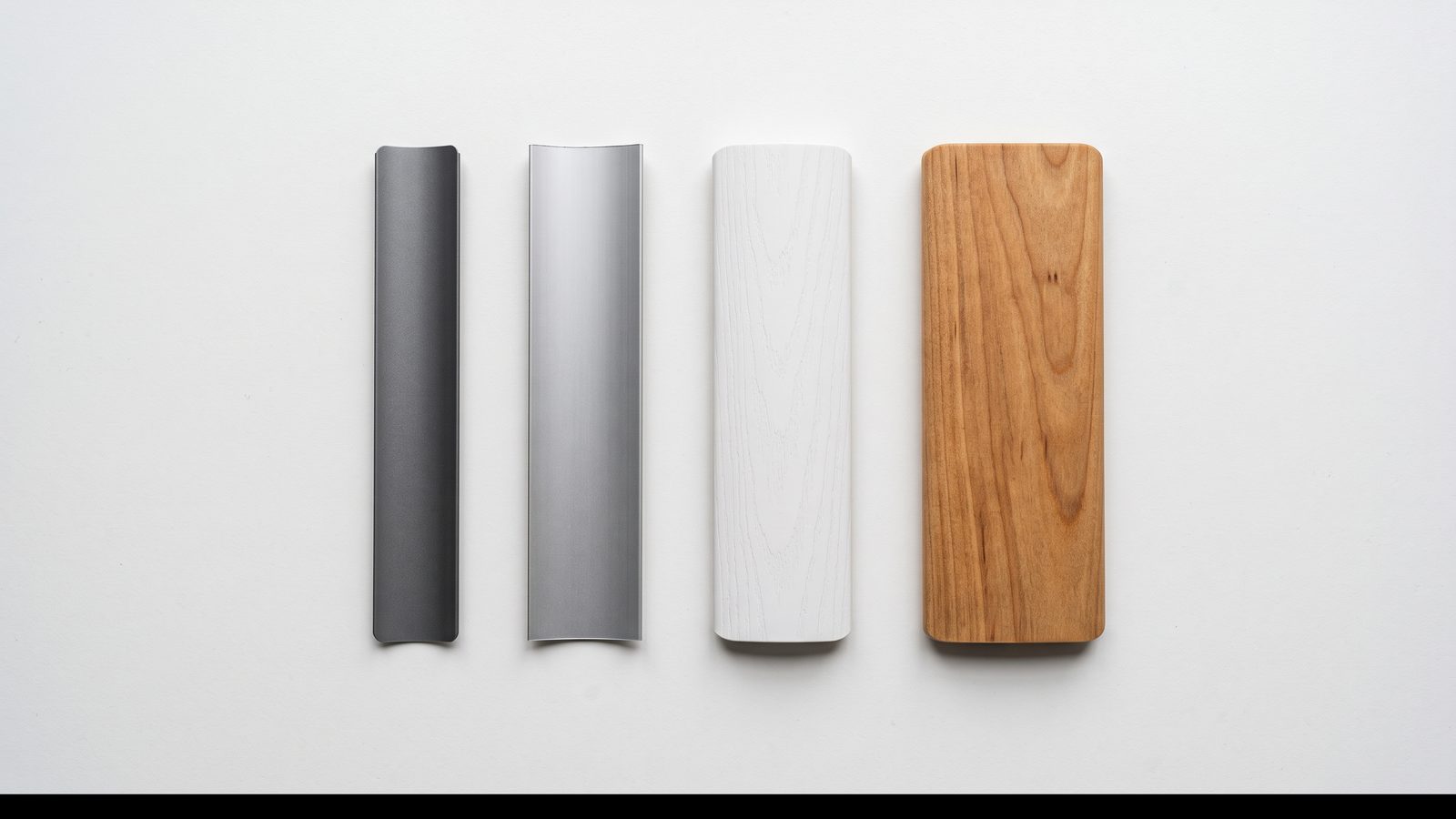
The Four Common Venetian Blind Slat Widths
| Width | Usual material | Slats per metre of drop | Stack height at 1,500 mm drop | Suits |
|---|---|---|---|---|
| 16 mm | Aluminium | ~48 | ~130 mm | Small windows, bathrooms, narrow reveals |
| 25 mm | Aluminium | ~44 | ~150 mm | The default: kitchens, bathrooms, offices |
| 50 mm | Basswood, faux-wood | ~22 | ~180 mm | Living rooms, bedrooms, feature windows |
| 63 mm | Basswood, faux-wood | ~18 | ~200 mm | Large or tall windows, double-volume spaces |
Wider Slats, Bigger View
A wide slat rotates through the same arc as a narrow one but covers more window per slat, so there are fewer slats and fewer cord ladders interrupting the view. At 63 mm you get roughly 60% fewer slats across the same drop than at 25 mm. That is why wide slats read as calmer on a large window and fussy on a small one.
Stack Height Is the Trade-off
Wider slats are also thicker and stack deeper when raised. On a 1,500 mm drop the difference between a 25 mm aluminium stack and a 63 mm timber stack is roughly 50 mm of lost glass at the top. On a short window above a kitchen counter that matters; on a 2,400 mm patio window it does not.
Material Follows Width
The two decisions are linked in practice. Aluminium is rolled thin and works at 16 mm and 25 mm; it is the right choice where moisture and heat are the problem. Timber and faux-wood are cut at 50 mm and 63 mm and carry the warmer, heavier look. Real basswood is the lightest timber option and the least likely to bow across a wide span; faux-wood is heavier but will not warp in humidity.
The full range of both is covered on the venetian blinds page, and the timber-specific options on wooden blinds.
Maximum Widths Before a Blind Needs Splitting
Every slat sags eventually. As a working guide, a 25 mm aluminium venetian is comfortable to about 2,400 mm wide, a 50 mm faux-wood to about 2,100 mm, and a 63 mm basswood to about 2,700 mm because the timber is stiffer for its weight. Past those spans the blind is normally split into two on a shared headrail so the slats stay flat and the tilt stays even.
Frequently Asked Questions
Are wider slats more expensive?
Yes, usually, but not because of the width. Wide slats are almost always timber or faux-wood, and the material carries the cost. A 63 mm basswood blind typically costs two to three times a 25 mm aluminium blind of the same size.
What slat width is best for a small window?
16 mm or 25 mm. A 63 mm slat on a 600 mm-wide window gives you about nine slats, which looks heavy and stacks into a large proportion of the glass.
Do wide slats block more light when closed?
No. A closed venetian blocks light at the slat overlap, and that overlap is proportional at every width. Light control is the same; what changes is the view when open and the stack when raised.
Get a Free Measure & Quote in Cape Town
Window Blinds Cape Town measures, manufactures and installs across the metro. Call 081 411 8471 for a free on-site measure and quote, or see what blinds cost in Cape Town.